Mini Race Circuits & Map Control
Think like a map manager: capture what you can defend and keep offline cash working between sessions.
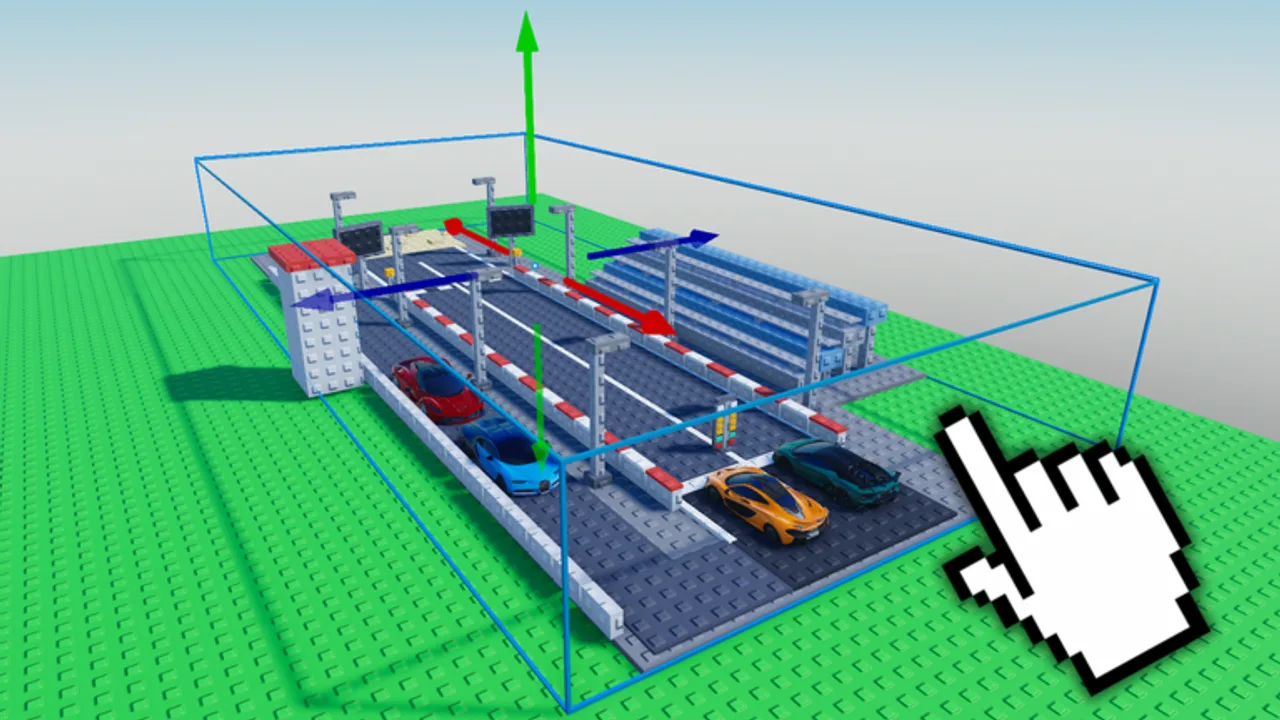
Circuits are the territory layer of Mini Race [AUCTIONS]. LoganTaylor Studios pairs them with crates, garages, and race lineups so accounts earn while you are offline. This page is the Cars & Buildings hub companion for map thinking: how to choose captures, how to defend offline income, and when expanding is actually a downgrade.
Parent hub: Cars & Buildings. Strategy deep dive: Circuit Cash. Competitive support: How to Win Races.
What a circuit is for
A held circuit is a worker. It converts prior race success and attention into cash after you leave the server. Collection flex does not pay rent; circuits do. That is why players with average cars and disciplined map control often outpace flashier garages that never capture.
Every node you take should answer three questions:
- Can my current lineup discourage rivals here?
- Can I revisit this node inside my normal login rhythm?
- Does the expected offline cash fund a named goal this week?
If the answer to any question is no, the capture is entertainment, not infrastructure.
Capture map thinking
Start local. Your first circuit from Getting Started should be close to your attention budget, not the prettiest contested crown. Expand along a connected set so defense routes make sense. Skipping across the map for vanity nodes creates a Swiss-cheese empire that collapses the moment you sleep.
Mental model:
- Core nodes — must hold; income backbone
- Buffer nodes — nice if stable; first to abandon under pressure
- Bait nodes — look tempting; often cost more attention than they pay
Promote a buffer to core only after it survives a few offline stretches. Demote a core that you keep losing — ego holdings are expensive.
Offline income defense
Defense is mostly scheduling, not permanent online camping. Servers max out at six players, so pressure is personal and bursty rather than massively multiplayer warfare. Practical habits:
- Open every session with a circuit glance before crates or auctions
- Reclaim contested cores before opening the shop catalog
- Avoid brand-new captures right before a long offline stretch unless the area is quiet
- Answer pressure with a short, prepared race block — then return to economy tasks
- Accept retreats; shrinking can raise net income if you stop funding losses
Pair defense with a coherent sheet from the Lineup Planner. Soft cars make every node look “unlucky.”
Linking circuits to cars and buildings
Map control funds Car Collection upgrades and Buildings purchases. Buildings that improve capacity or income conversion make circuit cash more valuable. Cosmetics do not. When Auction Garages and the 60+ shop list distract you, ask whether the next buy helps you hold cores or only decorate a broke lot — see Auction Garages.
Duplicate sales bridge gaps between payouts. Keep Sell Duplicates in the loop so a dry race night still leaves soft cash for reclaim fees or crate tops-ups.
When to expand
Expand when:
- Cores have been stable across multiple logins
- You have surplus attention in the session, not only surplus cash
- The new node shares a defense path with existing holdings
- Your race pool improved enough that contests are realistic
- Cash Goals shows map income as the bottleneck, not lineup quality
When to shrink
Shrink when:
- You lose the same node every overnight
- GP or speedway pushes need focus — see Grand Prix
- Shop or crate goals need a quieter week
- Mobile sessions are too short to tour a sprawling map (Controls)
- You notice yourself skipping codes and sorting because the map ate the whole login
Shrinking is a skill. Wide fragile maps are a common early failure mode listed in Common Mistakes.
Circuits during live-ops weeks
After patches like September 17, 2026 (Auction Garages, odds, mobile UI), assume rival behavior changes. Recheck cores, reread Updates, and avoid expanding on day one of a hype patch when everyone is online experimenting. Redeem codes and confirm group rewards via Join Group before you spend map cash on speculative buildings.
Session templates for map players
Defense opener (5 minutes): codes, circuit glance, reclaim cores, sell obvious fodder, log a named purpose for tonight’s offline payout.
Expansion session: defense opener, one new capture only, one race block to discourage counters, no auctions.
Income convert session: collect offline cash, buy one constraint building or budgeted crate, refuse new nodes.
Copy the broader timing into the Session Checklist.
Metrics that matter more than node count
Track:
- Stable cores held across three logins
- Soft cash from offline payouts applied to named goals
- Contested losses per week (down is good)
- Attention minutes spent on map versus crates and races
Ignore raw “how many circuits do I own” flex until stability is boring.
Cross-links inside the roster hub
- Cars & Buildings Hub
- Car Collection
- Buildings Guide
- Strategy: Circuit Cash, Guides Hub
- Rankings: Tier List
Circuits turn Mini Race into a true tycoon. Capture with a defense plan, spend offline cash on purpose, and let the map work while your garage sleeps.
Frequently Asked Questions
Quick answers to the most common questions.
How many circuits should I hold in Mini Race?
Hold as many cores as you can defend inside your normal login rhythm. A compact stable set beats a wide map that collapses overnight.
What should I do first each session for circuits?
Glance at holdings, reclaim contested cores, then redeem codes and continue your planned crate, race, or shop lane.
When should I expand my circuit map?
Expand after cores stay stable across multiple logins, when you have attention to spare, and when the new node shares a sensible defense path.
Do better cars automatically keep circuits safe?
Stronger lineups help discourage rivals, but scheduling and refusing bait nodes matter just as much as raw car power.
How do circuits relate to Grand Prix pushes?
Keep income cores alive during GP weeks. Shrink buffers if needed so push nights do not leave the map undefended.