Mini Race Car Collection
Label every car, protect the race pool, and sell duplicates before inventory chaos stalls progression.
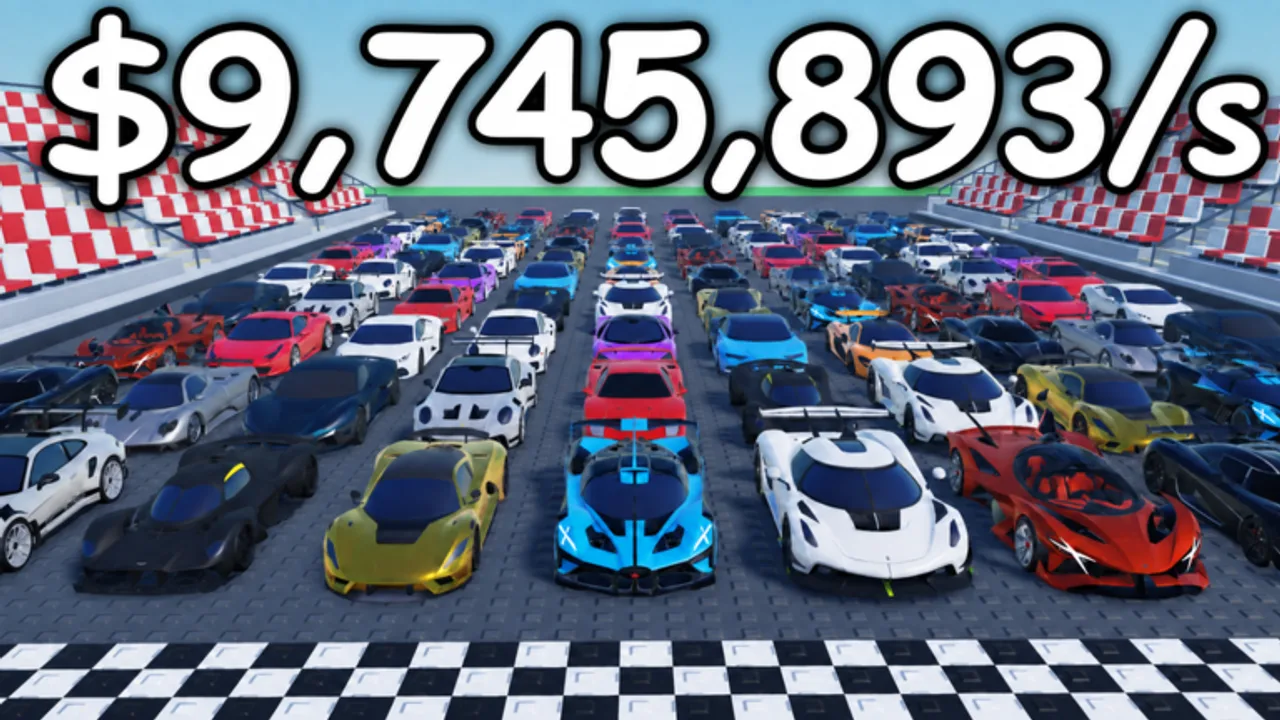
A strong Mini Race [AUCTIONS] account is not the one with the loudest garage collage. It is the one that can find the right car in five seconds, field a coherent lineup, and sell extras without emotional theater. This Car Collection guide shows how to manage inventory across race needs, completion goals, and the duplicate economy.
Use it with the Cars Tier List for role estimates and Crate Strategy for intake control. Parent hub: Cars & Buildings.
The four labels every car needs
Give each car exactly one primary label:
- Race pool — allowed in active lineups
- Bench — upgrade candidates waiting for a fair test
- Collection hold — intentional keep for completion, trophy history, or auction-era flex
- Sell — duplicate or dead weight converting to cash
If a car somehow feels like all four, you have not decided yet. Decide before the next crate.
Building the race pool
The race pool should be small enough to understand. Most players need an anchor, a stabilizer, a flex slot, and a short bench — not thirty “maybe starters.” Read How to Win Races for sheet construction, then enforce it in the collection view.
Rules that keep the pool honest:
- New pulls enter as bench until they earn a start
- Losing staples get a replacement deadline, not eternal loyalty
- Trophy prestige cannot reserve a money slot without results
- When two cars share a role, keep the performer and move the other to hold or sell
Collection holds without lying to yourself
Collection is a valid Mini Race goal. Auction exclusives and trophy or Grand Prix cars can deserve a shelf even when they are situational racers. The key word is intentional. A hold should be named: “September auction flex,” “first GP reward,” “theme set closer.”
Unnamed holds are how junk survives. If cash is tight and circuits need funding, even sentimental holds may need temporary sales discipline. You can chase them again later when Circuit Cash is healthy.
Duplicate selling as collection hygiene
Duplicates are not moral failures. They are the recycling system that keeps crates and buildings affordable. After every open:
- Keep the best copy for the role
- Sell obvious extras
- Route cash to a named goal the same session when possible
- Only stockpile extras if you have a concrete reason (event turn-in, future craft-like sink, or verified need)
Players who never sell often believe they are collectors. Often they are just unorganized. Real collectors curate.
Intake pipeline from crates to shelf
Treat incoming cars as a pipeline:
Crate open → temporary sort → test or price check → final label → lineup or sale
Skipping steps creates mystery inventories. Mystery inventories create bad auction decisions because you cannot tell whether you need property, space, or better anchors. If auction temptation is rising, visit Auction Garages only after this pipeline is clean.
Compare crate sources on the Crates Tier List so intake quality matches goals.
Space, attention, and garage reality
Collection strategy fails when physical or UI space fails. If you cannot see your anchors, buy capacity or utility from the buildings shop before another premium crate. The companion Buildings Guide exists for that bottleneck.
Attention is also space. If managing the collection takes longer than racing and capturing combined, you are overkeeping.
Stage-by-stage collection goals
Early game
- Finish Getting Started
- Keep a tiny race pool of understood cars
- Sell freely
- Do not start completion projects yet
Mid game
- Maintain anchors and staples
- Begin limited theme or rarity holds
- Use duplicate cash to balance crates and buildings
- Track missing archetypes, not every cosmetic whim
Late game
- Separate prestige shelves from money lineups
- Pursue auction exclusives with surplus only
- Re-test trophy cars after patches on Updates
- Prune ruthlessly when new seasons add volume
Synergies with buildings and circuits
Cars fund pride. Buildings and circuits fund cars. If offline income is weak, collection growth slows no matter how good your taste is. Secure map payouts, then expand the shelf. If capacity buildings are cheap relative to your clutter pain, buy those before another open.
Codes still matter on collection nights — redeem from the Codes Hub before sorting so free currency is included in keep/sell math.
Practical weekly collection ritual
- Redeem codes and collect circuit cash
- Open only planned crates
- Sort every new car into the four labels
- Sell the sell pile immediately
- Update the race sheet
- Note one missing archetype for next week
- Stop browsing the shop unless capacity is the blocker
That ritual prevents the classic Mini Race mess: a gorgeous chaotic garage with no idea what to field tomorrow.
Mistakes that quietly ruin collections
- Keeping every rare “for later” with no later plan
- Starting trophy cars out of guilt
- Never selling because prices might rise in your imagination
- Buying auction vibes to compensate for a messy inventory
- Ignoring role archetypes from the Tier List Hub
Closing standard
Your collection is healthy when a friend could ask “what are your race cars?” and you can answer in one breath, then separately point to a small intentional showcase. Everything else should have become cash, bench hope, or history you chose on purpose.
Continue to Buildings if the next constraint is the shop. Return to Cars & Buildings for the hub map, or jump into the Guides Hub to spend the currency your sorting just freed.
Frequently Asked Questions
Quick answers to the most common questions.
How many cars should stay in my active race pool?
Keep it small enough to understand—typically an anchor, stabilizer, flex options, and a short bench. Large pools hide upgrades and slow decisions.
Should I keep every rare car I pull?
No. Keep rares that earn race slots or intentional collection holds. Sell or cut rares that only create clutter and cash shortages.
When do duplicates become worth saving?
Only with a concrete reason, such as a verified future sink or a deliberate stockpile plan. Otherwise sell and fund named goals.
What if I love collection more than racing?
That is fine—label it. Still maintain enough race and circuit strength to fund the shelf, or completion goals stall whenever banners get expensive.