Mini Race Cars & Buildings
Collection management and shop planning for garages, race pools, and the expanded buildings catalog.
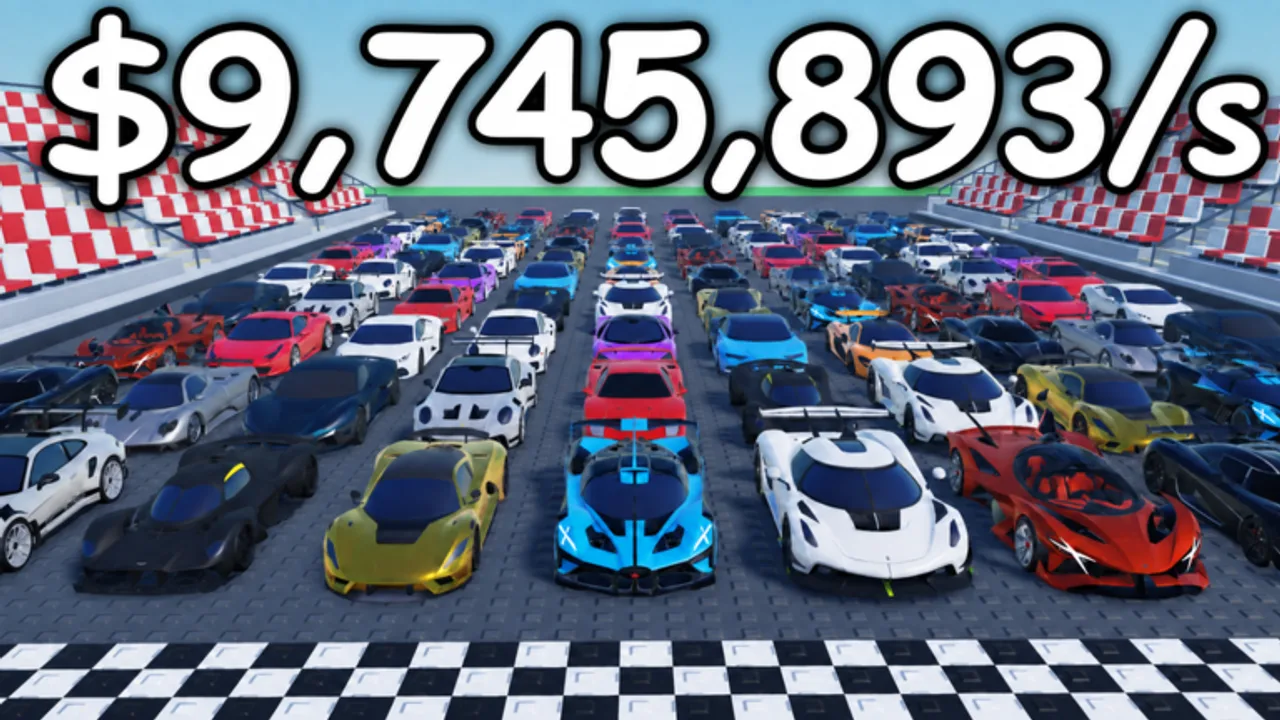
This hub is the Cars & Buildings home for Mini Race [AUCTIONS]. In template terms it still lives under the players category, but the content focus is your garage inventory and the shop that turns cash into capacity, income, and style. If crates and races are how you acquire power, this hub is how you organize and house that power.
LoganTaylor Studios’ Mini Race loop only feels clean when collection and construction stay in sync. Too many cars with no building plan creates clutter. Too many buildings with a weak car pool creates a pretty bankrupt lot. Use the guides below to keep both sides intentional.
Pages in this hub
- Car Collection — how to sort race keepers, collection holds, and sell fodder
- Buildings Guide — how to approach the 60+ shop buildings after the September update without buying everything
- Circuits — capture map thinking, offline income defense, and when to expand or shrink holdings
Cross-check rankings on the Tier List Hub, especially Cars and Crates, before big spends. Pair map income with Circuit Cash and duplicate recycling with Sell Duplicates.
What “Cars & Buildings” means in Mini Race
Cars are your competitive and collectible inventory. They come from crates, progression rewards, and sometimes auction-era exclusivity. They leave through duplicate sales or intentional cuts when space and attention run out.
Buildings are your tycoon layer. Garages, utility structures, and cosmetic or income-leaning shop pieces shape how efficiently the account converts playtime into long-term strength. The September 2026 update made this layer louder by expanding the catalog past sixty buildings and spotlighting Auction Garages.
Together they answer: Where do cars live, how do they get stronger as a business, and which purchases actually move the needle?
Recommended path through the hub
- If your inventory feels messy, start with Car Collection.
- If cash disappears into random shop buys, start with Buildings.
- If offline income is weak or contested, open Circuits.
- If you do not know which cars deserve slots, open the Cars Tier List.
- If spending is the problem, read Crate Strategy and Circuit Cash.
- If a fancy property is tempting, read Auction Garages before bidding.
New accounts should still complete Getting Started before optimizing either page.
Collection overview principles
A healthy Mini Race collection is labeled, not merely large. Every car should be:
- Active race pool
- Bench upgrade candidate
- Intentional display or completion hold
- Duplicate sale candidate
Anything outside those labels is clutter. Clutter hides upgrades and slows decisions before rivals and auctions.
Revisit labels after every crate session and after patches noted on Updates.
Garage and shop overview principles
Buy buildings that unlock a constraint:
- Not enough space for the race pool
- Not enough income conversion
- Not enough quality-of-life to manage lineups quickly
Delay buildings that only change vibes until surplus is real. The shop is deep on purpose. Depth is not a checklist requirement for day one.
Auction garages sit beside this hub as a special case: contested property with market pricing. They are not a substitute for learning the standard shop path.
How this hub links to racing
Cars & Buildings is not separate from winning. Clean collections make faster lineup edits. Better buildings fund more tests. More tests find better anchors. That loop is why How to Win Races and this hub should stay open together during rebuild weeks.
Likewise, circuit holdings pay for shop upgrades that protect those same holdings. Map income and building income thinking belong in one brain.
Session ideas using only this hub
Inventory night: sort cars, sell fodder, rewrite the race pool, note missing archetypes.
Shop night: pick one constraint, buy one building that addresses it, ignore the other fifty-nine options.
Sync night: compare your top cars to your current garage capacity and circuit budget; decide whether the next goal is a crate, a building, or patience.
Avoid these hub-level mistakes
- Treating every rare car as sacred
- Buying buildings because the catalog number is big
- Ignoring duplicate sales while staring at empty cash
- Bidding on auction property while the normal garage still fails basic capacity
- Separating collection goals from economy goals until the account breaks
Where to go from here
Enter Car Collection, Buildings, or Circuits next. Keep the Guides Hub handy for systems execution, and redeem fresh gifts from the Codes Hub before shop nights so your budget includes free currency.
Cars & Buildings is the organizational heart of Mini Race. Get it right, and every crate, race, circuit, and auction decision gets simpler.
Frequently Asked Questions
Quick answers to the most common questions.
Why is this called Cars & Buildings if the path is /players/?
The players category hosts roster-style hubs in this wiki template. For Mini Race, that roster focus is cars plus the buildings that support your garage economy — and circuits that fund both.
Should I optimize cars or buildings first?
Fix whichever is the bottleneck. No capacity or income plan? Buildings. No race anchors or chaotic inventory? Cars. Empty map? Circuits. New players should finish Getting Started before deep optimization.
Do I need all 60+ buildings?
No. The expanded catalog is a menu, not a mandatory checklist. Buy constraint-breakers first and cosmetics with surplus.
Where do auction garages fit?
They are a contested special purchase covered in the Auction Garages guide. Use this hub for everyday collection and shop planning, then bid only with labeled surplus.