Mini Race How to Win Races
Lineup roles, matchup discipline, and a clear rule for when racing beats farming.
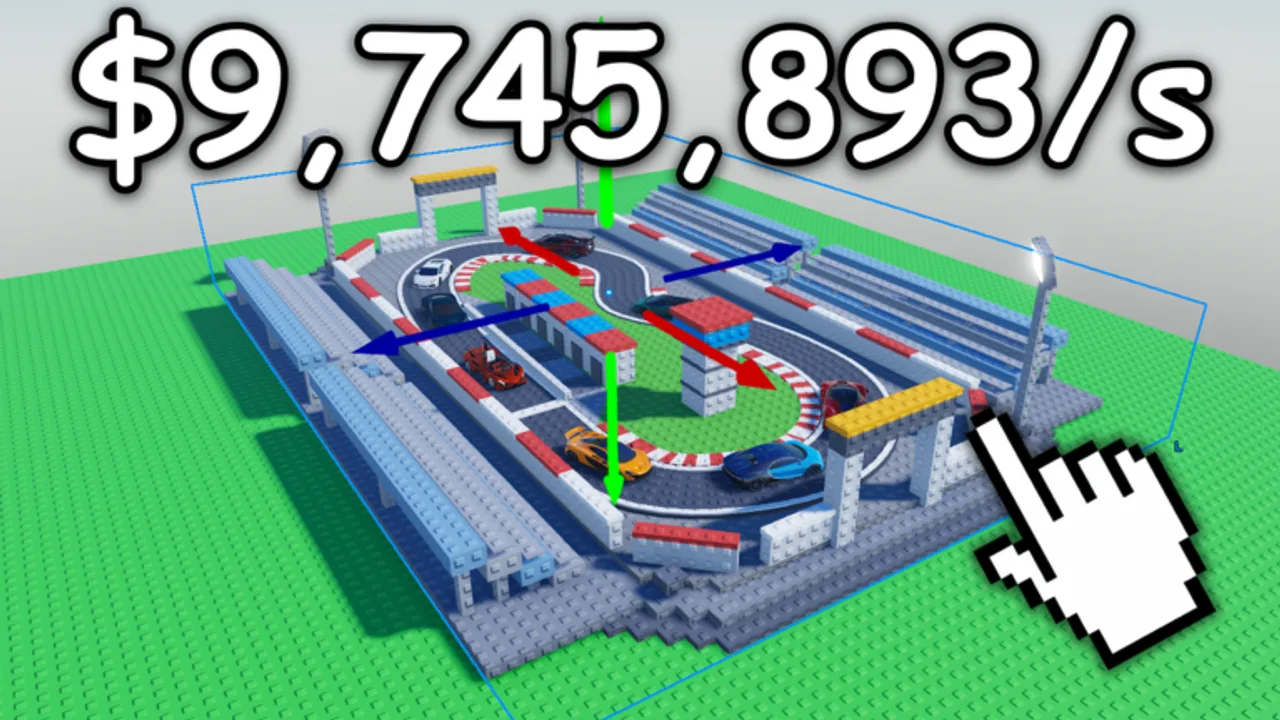
Winning races in Mini Race [AUCTIONS] is less about owning one legendary showpiece and more about fielding a coherent lineup at the right time. LoganTaylor Studios built a loop where crates feed collection, garages hold inventory, and races test whether that inventory actually performs. This guide focuses on lineup strategy, practical car-stat thinking without fake official spreadsheets, and the decision of when to race versus when to farm.
If you are still missing a garage or have never captured a circuit, finish Getting Started first. Race advice lands better once the basic economy loop is alive.
What a lineup is for
A lineup is your competitive statement: the cars you trust to convert collection into payouts and progression. Treat it like a team sheet, not a trophy shelf. Every slot should answer a job — primary pace, reliable midpack coverage, or a situational specialist — instead of “this one looks cool in the garage.”
Before each challenge, ask three questions:
- Can this lineup beat the rival in front of me today?
- If I lose, can I still afford crates, buildings, or circuit defense?
- Did my last few races teach me something, or am I repeating the same loss?
If question one is no and question two is fragile, you should be farming, not queuing pride matches.
Car stats thinking without official data dumps
Public detailed stat sheets are not always published in a wiki-friendly form, so avoid pretending you memorized exact hidden numbers. Instead, use observable signals:
- Acquisition path — starter commons, standard crate rares, auction exclusives, and trophy or Grand Prix rewards often sit in different power bands.
- Role fit — some cars feel built to win headline races; others are better as income flex, collection fillers, or auction flex pieces. See the Cars Tier List for community meta estimates by role.
- Consistency — a slightly weaker car you understand beats a mystery pull you throw in because it is rare.
- Lineup balance — three overlapping specialists with the same weakness lose to a balanced mid-tier sheet.
When a car repeatedly underperforms in fair matchups, demote it. Rarity is not a participation trophy in race mode.
Building a race-first garage sheet
Split your collection into race pool and economy pool. Race pool cars are allowed in lineups. Economy pool cars are held for collection value, future trades of attention (showing off), or immediate duplicate sale. Mixing those goals in one lineup creates emotional decisions: you keep a weak trophy car in a money race because it is rare, then wonder why payouts stall.
A simple starter structure:
- Anchor — your current best race winner archetype
- Stabilizer — a solid rare racer or strong common that rarely bricks a slot
- Flex — a situational car for specific rival styles or event rules
- Bench — upgrades waiting behind the active sheet
Upgrade the bench through Crate Strategy and smart duplicate selling, not through panic spending after one loss.
Matchup selection beats blind challenge spam
Not every rival is a good use of your time. Early on, pick opponents your lineup can beat cleanly so you learn reward timing and build confidence. Mid-game, target rivals just above your comfort zone when you have a clear upgrade hypothesis to test. Late-game, be selective: high-variance grudge matches can be entertainment, but they should not empty the bankroll you need for Auction Garages or building upgrades.
Create a personal stop rule. Example: two losses in a row against the same rival means you leave, sell a duplicate, open at most one planned crate, or go capture circuits. Stop rules protect players from tilt better than any pep talk.
When to race vs when to farm
Use racing when:
- Your lineup changed in a meaningful way (new anchor, replaced weak slot)
- You need active cash and have a favorable matchup
- You are practicing for tougher rivals or event brackets
- Circuit income is already ticking and a win would accelerate a planned purchase
Use farming when:
- You are between upgrades and keep losing the same fight
- Your cash reserve is below the next garage or building goal
- You just dumped budget into crates and need duplicate sales to stabilize
- Circuits need capturing or defending so offline cash does not dry up — see Circuit Cash
- You are saving intentionally for an auction bid and cannot afford a cold streak
Farming is not “playing scared.” In a tycoon-racer hybrid, farming is how you fund the next fair fight.
Session templates that actually win more
Short session (10–15 minutes): redeem codes from the Codes Hub, sell junk duplicates, take one smart race, refresh one circuit.
Standard session: review lineup, race a small block of favorable matchups, open a budgeted crate if you won more than you lost, then spend leftover soft cash on a building that supports income or capacity via the Buildings Guide.
Patch session: read Updates, re-test your anchor car, and assume old rival assumptions might be wrong for a day.
Linking races to the rest of the economy
Race wins should point at a purchase plan. Maybe the plan is a better crate tier, a capacity building, or a circuit push. If wins disappear into random shopping, you will feel busy without getting stronger. Keep the Guides Hub nearby and pick one follow-up guide per session.
Collection pages help too. The Car Collection guide explains how to label keepers versus sellers so your race pool stays clean. The Cars & Buildings hub is the broader map of inventory and shop growth.
Mindset that separates stable garages from broke ones
Chase information, not vibes. After each race block, note which slot failed. Replace that slot on purpose. Do not rebuild the entire lineup after one bad beat unless the whole sheet is outdated. Mini Race rewards iterative improvement: one better car, one better matchup, one better cash plan.
Also respect opportunity cost. An hour of losing races could have captured circuits, sold duplicates, and funded a crate that actually upgrades the anchor. Winning is the goal of race mode, but account growth is the goal of the game.
Frequently Asked Questions
Quick answers to the most common questions.
Do I need a top rarity car to win races?
Not at the start. A balanced lineup of understood cars usually beats one rare showpiece surrounded by weak fillers. Upgrade anchors over time through crates and careful auction spending.
How do I know if I should stop racing?
Stop after repeated losses against the same rival, when cash dips below your next planned upgrade, or when circuits need attention. Switch to farming until the sheet improves.
Should trophy or Grand Prix cars always be in the lineup?
Only if they perform. Trophy prestige does not automatically win payouts. Keep trophy cars on the bench until they earn a slot through results.
Where should I learn which car roles are strong?
Use the Cars Tier List for community meta estimates by role archetype, then validate in your own matchups. Pair it with Crate Strategy so pulls feed the race pool on purpose.