Getting Started in Mini Race
A first-hour checklist that turns crates, garages, races, and circuits into a real economy loop.
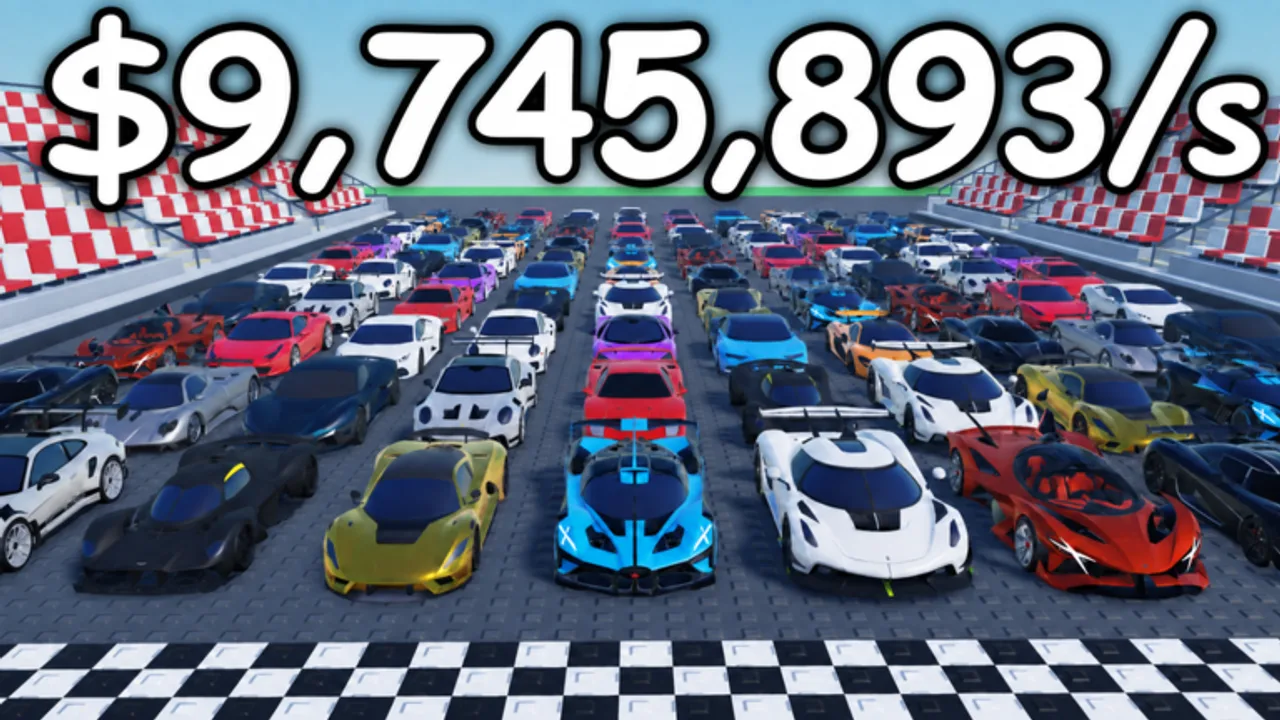
Mini Race [AUCTIONS] by LoganTaylor Studios is a Roblox tycoon-racer where collecting cars is only half the game. You open crates, build out garages, race lineups against rivals, capture circuits for offline cash, and sell duplicates to fund the next upgrade. This guide is a practical first-hour plan so you do not stall after the tutorial glow fades. The live experience sits around 912K visits and 77K+ favorites with servers capped at six players — small enough that early habits matter.
The goal of hour one is not to own the flashiest car on the server. The goal is to complete one full loop: free currency in, first crate opened, starter garage bought, first lineup raced, first circuit captured. Once that loop works, every later system — auctions, shop buildings, Grand Prix style progression — plugs into something you already understand.
Before you spend anything
Join from the official Roblox experience and finish any short onboarding prompts the game shows. Note where codes, crates, garage shop, race challenges, and circuit capture live in the UI — the Controls & HUD guide is the map if you get lost, especially on mobile after the September polish. Mini Race moves quickly once currency starts flowing, so knowing those five menus saves more time than any single purchase.
Join the official LoganTaylor Studios group on the same account you play with so membership rewards can land when the game checks them. Then open the in-game codes panel and redeem RELEASE. That code is the known launch-style gift for free cash and gems. Always redeem before you open paid crates or buy property, because starter budgets feel different after free currency lands. Keep the Codes Hub bookmarked for later drops.
First-hour checklist
Work these steps in order. Skipping ahead to auctions or expensive buildings is the most common early mistake — skim Common Mistakes if you already burned the starter wallet once.
1. Claim RELEASE and any visible freebies
Redeem RELEASE immediately. If the game surfaces daily login gifts, event buttons, group claims, or starter packs that cost nothing, claim those too. Write down (or mentally note) how much cash and gems you gained so you can budget the next four steps without emptying the wallet on impulse.
2. Open your first crate
Spend a controlled slice of starter cash on your first crate — not every coin you own. The point is to learn the open flow, see how cars enter your collection, and identify duplicates early. Read Crate Strategy after this session for odds thinking and sell rules, then Sell Duplicates when extras pile up. For hour one, one thoughtful open beats five panicked ones.
When the crate resolves, sort cars into three mental buckets: race candidate, keep-for-collection, and sell candidate. You do not need perfect knowledge of every model. You need a habit of evaluating pulls instead of hoarding blindly. Role archetypes on the Cars Tier List help if you feel lost.
3. Buy a starter garage
Your garage is storage, presentation, and progression infrastructure. Buy the affordable starter option that lets you park what you already own and leaves room for the next few pulls. Do not chase the prettiest premium shell yet. Capacity and a clean place to manage lineups matter more in hour one than cosmetic flex.
If the shop already shows many building options (the September update pushed the catalog past sixty buildings), ignore most of them for now. One functional garage beats a scatter of half-useful props. Deeper shop planning lives in the Buildings Guide.
4. Race your first lineup
Assemble the strongest short lineup you can from starter cars plus your first crate. Challenge a rival you can reasonably beat. Winning teaches payout timing and confirms that Mini Race rewards prepared lineups, not random single-car bravado.
If you lose, do not immediately dump remaining cash into another crate. Adjust the lineup, sell a clear duplicate if needed, and try a fairer matchup. The full race mindset guide is How to Win Races. Hour one only needs one clean attempt so you understand the menu and the reward loop.
5. Capture your first circuit
Circuits are how Mini Race pays you while you are offline. After you have a garage and at least one race under your belt, capture an available circuit you can hold. This is the difference between a pure clicker session and a tycoon that grows overnight.
Treat the first capture as a tutorial for the income map. Check how much cash it produces and how contested it looks. Then read Circuit Cash and the map-focused Circuits page before you try to hold an entire region. Early overextension loses circuits and wastes the hour you just invested.
What to do in hours two and three
Once the checklist is done, widen the loop instead of reinventing it:
- Sell obvious duplicates to refill cash without touching gems you may want for better crates later.
- Add one income-oriented building only if your garage basics are stable.
- Race when your lineup improved; farm circuits and light crate opens when it did not.
- Ignore auction garages until you have surplus cash beyond the next planned crate and building buy. See Auction Garages before your first bid.
- When short on time, run the 10-Minute Session Checklist instead of inventing a new plan each login.
- Save Grand Prix pushes for after the core loop feels automatic.
Budget rules that save beginners
Use a simple split after RELEASE lands. Keep a reserve for garage upkeep and a second race attempt. Allocate a smaller slice to crates. Leave a “do not touch” buffer so one bad open does not strand you with cars and nowhere to put them.
Never spend your entire gem stack on day one unless you already understand crate tiers from Crate Strategy and the Crates Tier List. Gems are harder to replace than soft cash from circuits and duplicate sales.
Collection hygiene from minute one
Open the collection view after every crate. Favorites or pins (if available) should mark race anchors. Everything else is inventory. Duplicate commons exist to be sold. Holding twenty near-identical fillers does not make you a collector — it makes your garage harder to manage. The Car Collection page expands this into a long-term system.
How this wiki fits your first week
Day one: finish this checklist and skim the Guides Hub. Day two: focus on race lineups and circuit defense. Day three: review tier estimates and decide whether auctions are even relevant yet. Patch days: check Updates before copying old spend habits.
Mini Race rewards players who treat the first hour like setting up a shop: stock a little inventory, secure a workspace, make one sale (a race win), and turn on the passive register (a circuit). Do that, and every later feature has a place to land.
Frequently Asked Questions
Quick answers to the most common questions.
What is the Mini Race RELEASE code?
RELEASE is the known promo code that grants free cash and gems. Redeem it as soon as you can open the codes panel, before major crate or garage spending.
Should I buy an auction garage in my first hour?
No. Finish the starter garage, first race, and first circuit first. Auctions are a surplus sink for later sessions once your core loop is funded.
What if my first crate is full of duplicates?
Sell clear duplicates, keep one raceable lineup, and try again with a smaller budget. Duplicates are part of the economy, not a failed start — see Sell Duplicates for keeper versus fodder rules.
How many circuits should a beginner capture?
Start with one you can actually hold. Expanding too fast invites losses and breaks offline income. Scale after you understand payout timing.
Where do I go after Getting Started?
Read How to Win Races and Circuit Cash next, then Crate Strategy and Sell Duplicates. Use Controls if the HUD confuses you, and the Session Checklist for short daily logins.